Tokyo has more Michelin-starred restaurants than any other city on earth, and its hotels are beginning to match that ambition. This is the definitive guide to where to stay.
Why Tokyo Hotels Are Different
Tokyo's luxury hotels operate according to a different philosophy from their counterparts in New York, London, or Paris. Where Western luxury tends toward grandeur — high ceilings, imposing lobbies, visible displays of wealth — Tokyo's finest hotels pursue a quality that is harder to define and more difficult to achieve: omotenashi, the Japanese concept of selfless hospitality that anticipates needs before they are expressed.
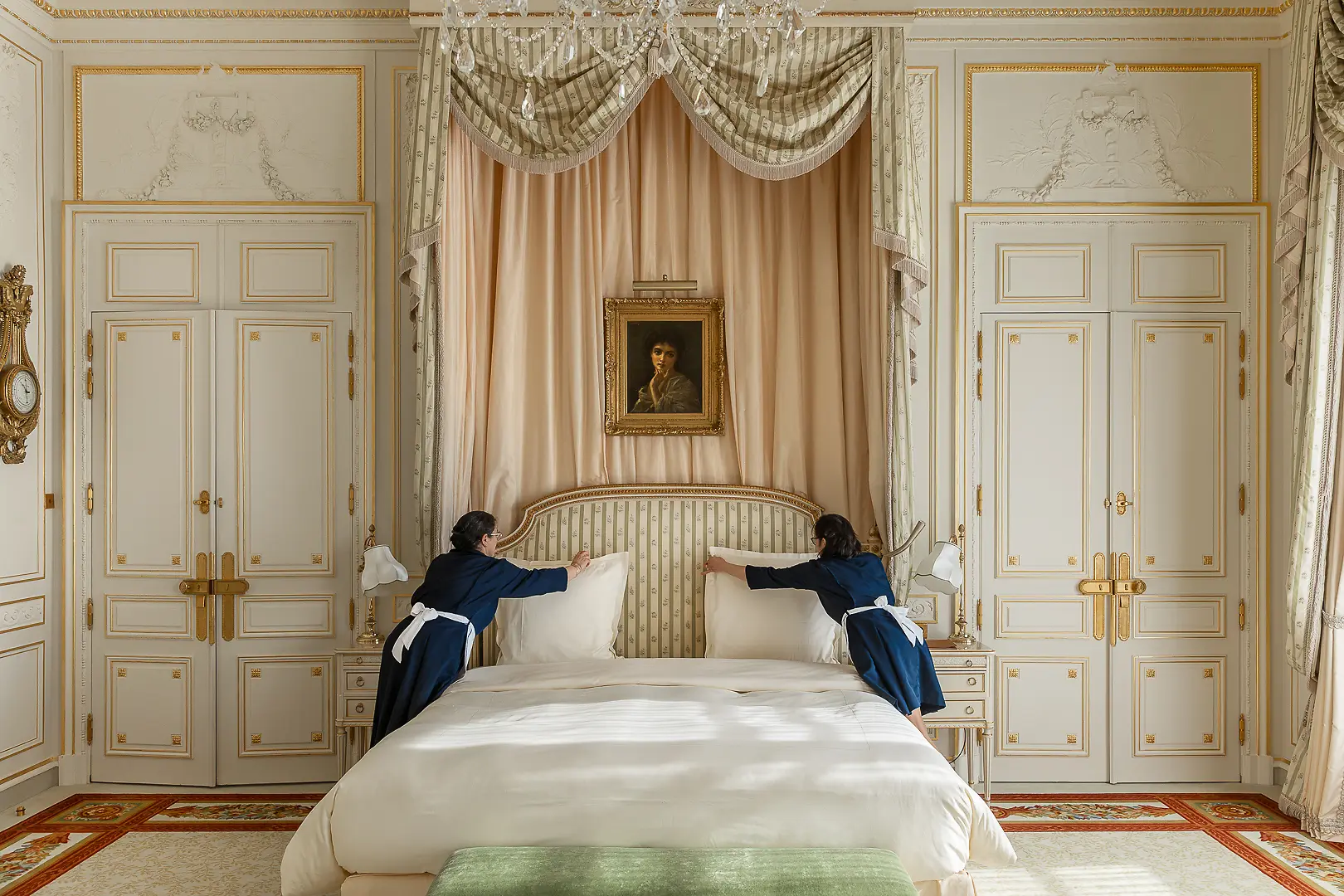
This manifests in details that are easy to overlook on first arrival but impossible to forget. The way a doorman remembers your name on the second day. The turndown service that leaves your pyjamas folded in exactly the position you prefer. The concierge who has already made a reservation at the restaurant you mentioned in passing the previous morning. These are not accidents — they are the product of a hospitality culture that treats service as an art form rather than a transaction.
The Aman Tokyo: Meditation at 33 Floors
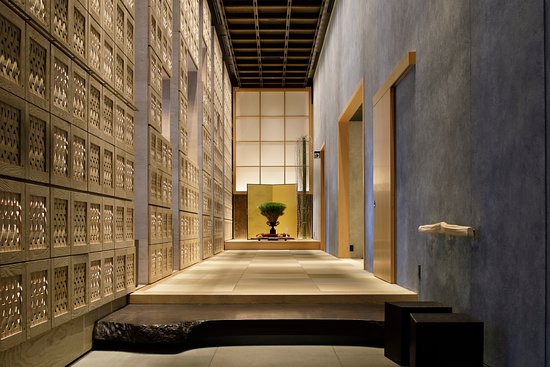
The Aman Tokyo, which opened in 2014 in the Otemachi Tower, remains the most extraordinary hotel in Japan. Its lobby — a six-storey atrium of washi paper lanterns, stone floors, and shoji screens — is the most beautiful hotel interior in Asia, and possibly the world. The 84 rooms are the largest in Tokyo, with floor-to-ceiling windows overlooking the Imperial Palace gardens and, on clear days, Mount Fuji.
The spa is the finest in the city: a 2,500 square metre sanctuary with a 30-metre indoor pool, traditional Japanese baths, and a treatment menu that draws on Ayurvedic, Chinese, and Japanese healing traditions. The Arva restaurant serves contemporary Italian cuisine that would be remarkable in any city; in Tokyo, it feels like a provocation — a deliberate statement that the Aman's guests are sophisticated enough to want something other than sushi for dinner.
The Park Hyatt: Lost in Translation, Found in Luxury
The Park Hyatt Tokyo occupies the top 14 floors of the Shinjuku Park Tower, and its association with Sofia Coppola's 2003 film has given it a cultural significance that most hotels can only dream of. The New York Bar on the 52nd floor — where Bill Murray and Scarlett Johansson's characters first meet — remains one of the world's great hotel bars, its floor-to-ceiling windows offering a panorama of Tokyo that seems to stretch to infinity on clear nights.
The hotel's 177 rooms are among the most beautifully designed in the city — a collaboration between John Morford and the Park Hyatt's design team that has aged remarkably well in the three decades since the hotel opened. The Peak Lounge on the 41st floor serves what many consider the finest afternoon tea in Tokyo, and the hotel's Sunday brunch is a weekly institution for the city's expatriate community.
Hoshinoya Tokyo: The Urban Ryokan
Hoshinoya Tokyo is the most culturally immersive luxury hotel in the city — a 17-storey tower in Otemachi that reimagines the traditional ryokan for an urban context. Guests remove their shoes at the entrance and are given yukata robes to wear throughout their stay; the rooms are designed around the Japanese concept of ma — negative space — with low furniture, tatami floors, and a deliberate absence of the visual noise that characterises most luxury hotels.
The onsen on the top floor — fed by hot spring water drawn from 1,500 metres below the city — is the finest urban bathing experience in Japan. The kaiseki restaurant serves a seasonal tasting menu that changes monthly and is among the most accomplished in Tokyo. Hoshinoya is not for guests who want the familiar comforts of international luxury; it is for those who want to understand what Japanese hospitality actually means.
The Mandarin Oriental and Four Seasons: The Establishment
The Mandarin Oriental Tokyo, in the Nihonbashi Mitsui Tower, occupies floors 30 to 38 of one of the city's most elegant skyscrapers and offers what is arguably the finest views of Mount Fuji of any hotel in the city — on clear winter mornings, the mountain appears to float above the Tokyo skyline like a woodblock print. The hotel's Sense restaurant holds two Michelin stars, and the spa is among the most comprehensive in the city.
The Four Seasons Tokyo at Marunouchi is the city's most discreet luxury address — a 57-room boutique hotel in the Pacific Century Place building, steps from Tokyo Station, that operates more like a private members' club than a conventional hotel. The rooms are among the smallest in the Four Seasons portfolio but among the most beautifully designed, and the hotel's Motif restaurant is one of the finest French dining rooms in Asia.
Our editors travel extensively to verify every recommendation. All hotel reviews are independent — we accept no payment for editorial coverage.