The African safari lodge is one of the great inventions of the luxury travel industry — a form of hospitality that combines extraordinary wildlife access with accommodation of a quality that rivals the finest hotels in the world. But not all lodges are equal, and choosing the right one requires understanding what you actually want from the experience.
The Safari Lodge Hierarchy
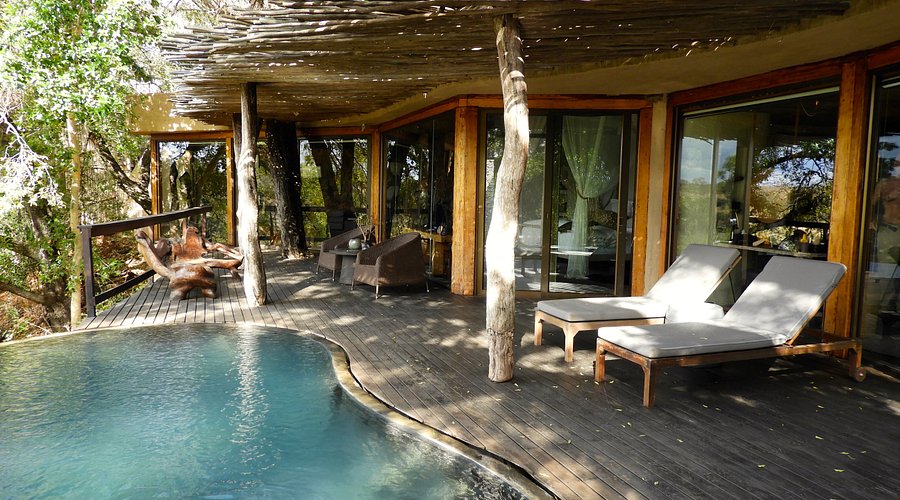
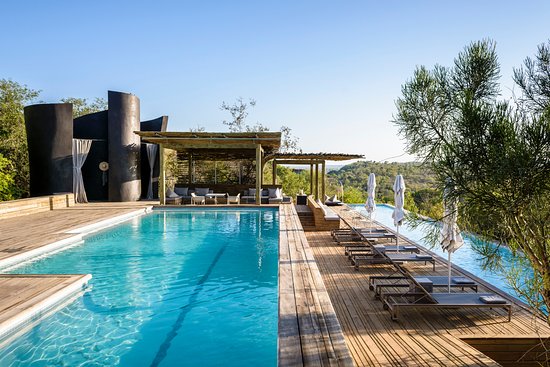
The African safari lodge market is more stratified than almost any other segment of the luxury travel industry. At the top are the great conservation estates — Singita, andBeyond, &Beyond — which combine extraordinary wildlife access with accommodation of a quality that rivals the finest hotels in the world, and which contribute a significant portion of their revenues to conservation and community development.
For the purposes of this guide, we are concerned only with the first category: the lodges where the accommodation is as extraordinary as the wildlife, and where the experience of being in Africa is enhanced rather than diminished by the quality of the hospitality.
Singita: The Conservation Gold Standard
Singita operates fifteen lodges and camps across six African countries, and it is the most consistently excellent safari operator in the world. What distinguishes Singita from its competitors is not merely the quality of its accommodation — though the lodges are extraordinary — but the depth of its commitment to conservation. Singita's properties are located in some of the most important wildlife areas in Africa, and the company's conservation programmes have been instrumental in protecting and restoring these ecosystems.
Singita Grumeti in Tanzania's western Serengeti is perhaps the most impressive single property in the Singita portfolio: a 350,000-acre private concession that is home to one of the most significant populations of lions, elephants, and buffalo in East Africa.
The Great Migration: Timing Your Visit
The Serengeti's Great Migration — the annual movement of 1.5 million wildebeest, 200,000 zebra, and 350,000 gazelle across the Serengeti-Mara ecosystem — is the greatest wildlife spectacle on earth. But understanding when and where to see it requires more knowledge than most travel agents possess.
The migration is a continuous movement, not a single event. The most dramatic moments — the river crossings at the Mara River, where crocodiles and lions wait for the wildebeest to attempt the crossing — occur between July and October, when the herds are in the northern Serengeti and the Masai Mara. But the calving season in the southern Serengeti (January to March) is equally extraordinary, and far less crowded.
The Editor's Verdict
Africa rewards the traveller who is willing to be patient, to sit at a watering hole for an hour waiting for something to happen, to accept that the greatest wildlife experiences are not scheduled and cannot be guaranteed. The guests who are disappointed by safari are almost always those who expected a zoo with better scenery.
For a first safari, the Serengeti or the Masai Mara provides the most reliable wildlife experience. For those who have been before and want something more intimate, the private conservancies of Kenya's Laikipia Plateau or Tanzania's Ruaha National Park offer encounters with wildlife that the more famous parks cannot match.
Our editors travel extensively to verify every recommendation. All hotel reviews are independent — we accept no payment for editorial coverage.