Zanzibar occupies a peculiar place in the luxury-travel imagination: more intimate than the Maldives, more textured than the Seychelles, and richer in living culture than either. These four properties show why the Spice Islands have become East Africa’s most rewarding coastal destination — and why the best of them quietly out-perform better-marketed Indian Ocean peers.
Why Zanzibar, and Why Now
For decades Zanzibar was where safari guests decompressed for three nights before flying home. That supporting-act status has quietly ended. A new generation of hoteliers — Omani, South African, Portuguese, Swiss — has treated the archipelago as a destination in its own right, with the cultural depth of Stone Town, the reef-fringed beaches of Kiwengwa and Kizimkazi, and the phenomenal marine life of the Mnemba Atoll all operating on their own timetable. The island now supports exclusive-use lodges, heritage palace hotels, and barefoot villa retreats of a standard that rivals anywhere on the East African coast, with prices that still read honestly next to the Maldives or Seychelles.
The four properties below are not a ranking of every hotel on the island. They are the ones we would send our closest readers to, each for a very specific reason. Together they cover the four archetypes worth the journey: a private-island lodge for reef and solitude, a walking-distance-to-culture palace in Stone Town, a southeast-coast beach resort for long-stay downtime, and a contemporary European design statement on the quieter north coast.
andBeyond Mnemba Island Lodge — The Private-Island Benchmark
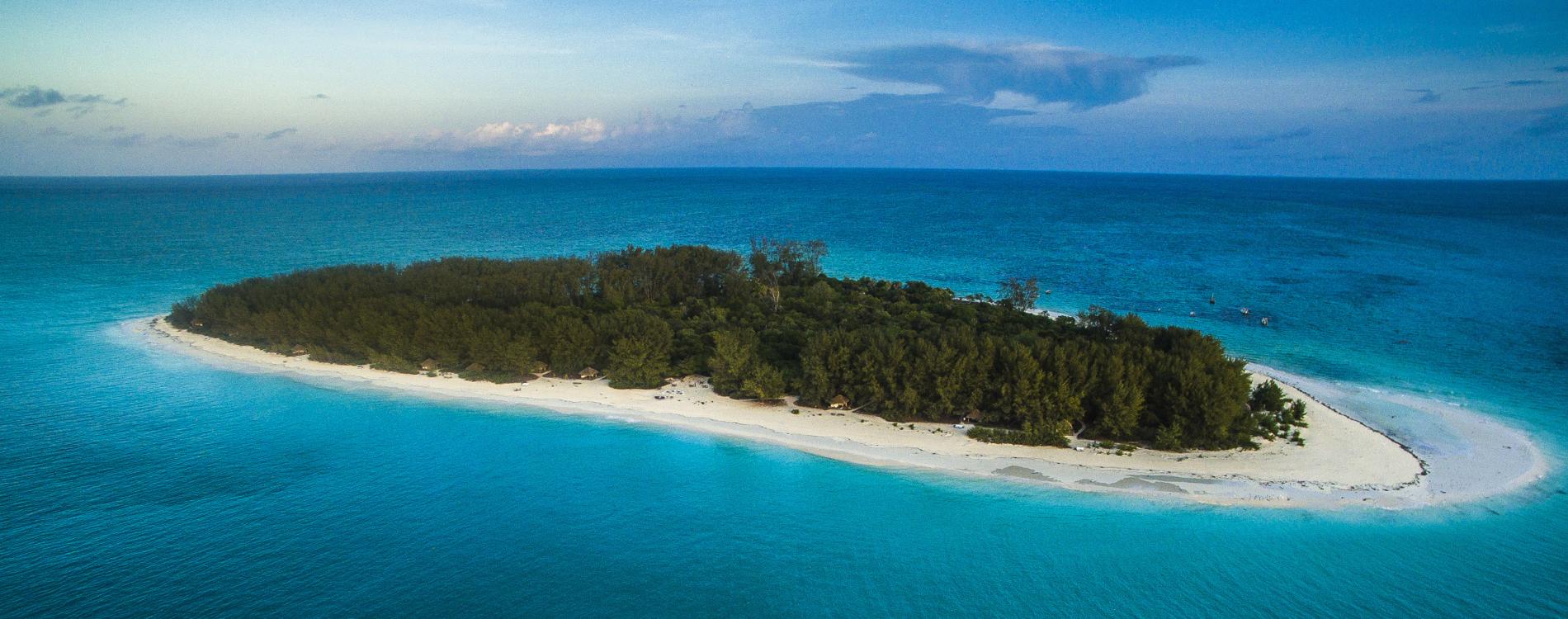
There are perhaps a dozen properties in the world that genuinely deserve the ‘private island’ description, and Mnemba is one of them. Twelve thatched bandas sit directly on the sand of a coral island six kilometres off Zanzibar’s northeastern tip, inside a protected marine reserve where the snorkelling — turtles, dolphins, reef sharks, the full Indian Ocean cast — begins at the high-tide line. There are no keys, no televisions, no internet in the rooms, no shoes. Meals are served wherever you want them: on the beach, on your veranda, on a dhow anchored off the reef.
What makes Mnemba extraordinary is not simply the scarcity. It is the calibre of the guiding — andBeyond operate the property as a conservation partnership with the Zanzibar government, with full-time marine biologists, turtle-nest monitoring, and reef rehabilitation that guests are genuinely invited into. A three-night stay, which is the honest minimum, feels closer to a safari camp in character than a beach resort. It is almost certainly the single best hotel in East Africa right now.
Park Hyatt Zanzibar — Stone Town, Reimagined
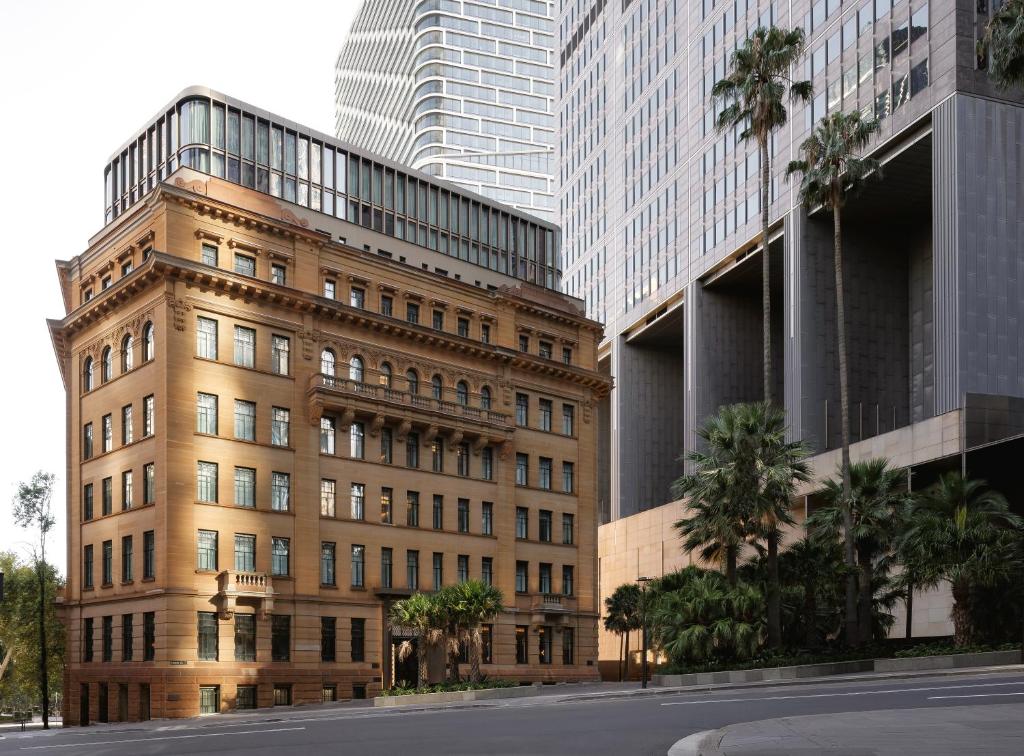
Stone Town, the UNESCO-listed old capital, is one of the most culturally layered places on the Swahili coast — part Omani, part Indian, part Portuguese, wholly its own. The Park Hyatt has the rare privilege of occupying the Mambo Msiige, a restored 17th-century merchant house on the seafront, wrapped around two interior courtyards that remain some of the coolest and most beautiful spaces in the city. Rooms are understated contemporary with original coral-stone walls left exposed; many have direct views across the Indian Ocean toward Prison Island.
The location is the point. Guests step out of the lobby and are immediately inside the heritage quarter — the spice market is eight minutes on foot, the former palace museum ten. The pool deck and the Dining Room at the Dining Room (worth a detour for the kingfish carpaccio alone) face west, catching a sunset that is unchanged from the photographs Richard Burton would have seen in 1857. For first-time visitors who want the culture, not the beach, this is the only answer.
The Residence Zanzibar — Southeast-Coast Downtime
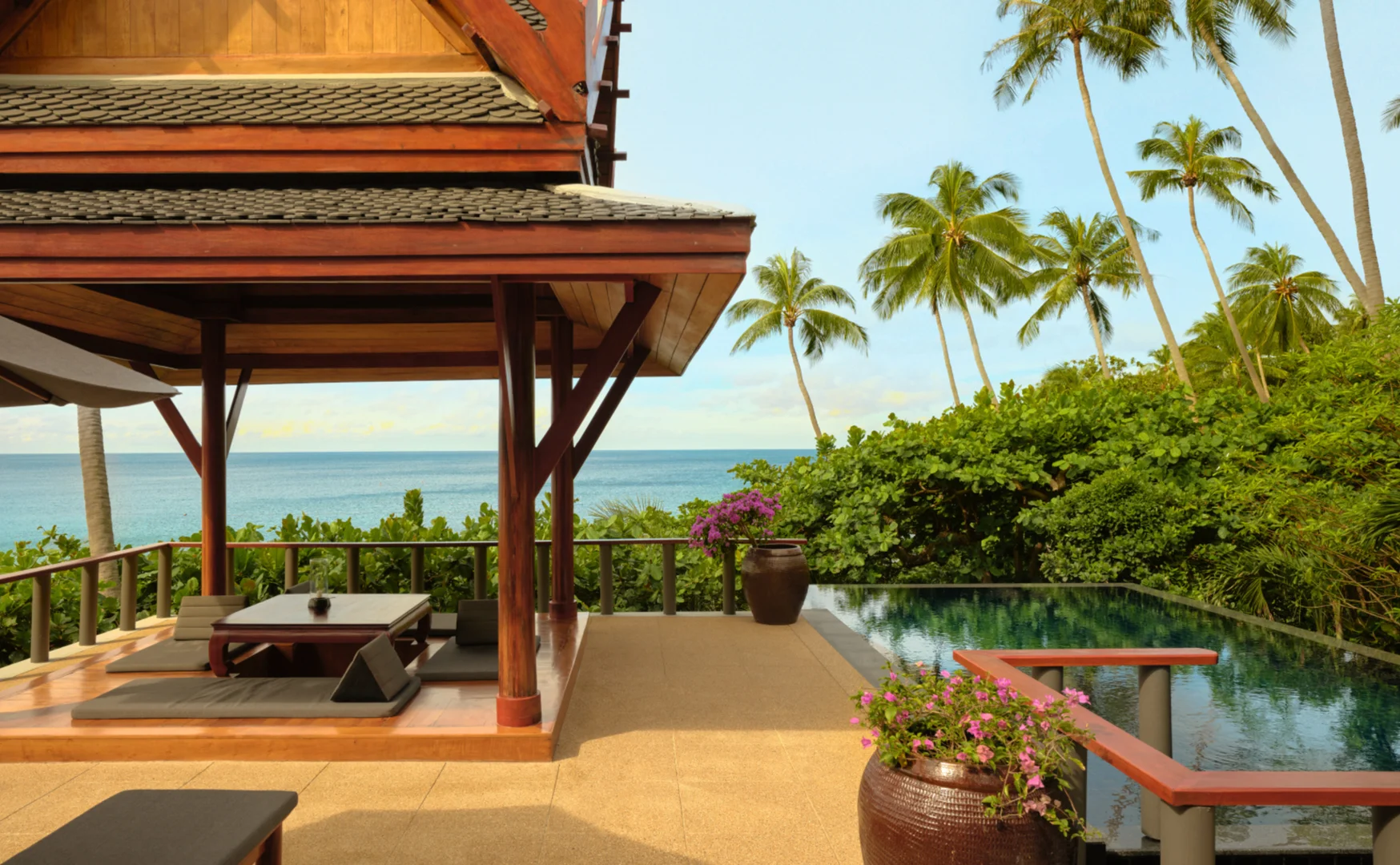
On the Kizimkazi coast at the island’s southwestern tip, The Residence occupies 32 hectares of coconut grove running down to a private beach — a scale of land that most Indian Ocean properties can only dream of. The 66 villas, from one- to four-bedroom, are built in a contemporary Omani-Swahili vernacular, each with a private pool and a hundred metres of separation from its nearest neighbour. The result is an experience closer to a private house than a resort — precisely what long-stay guests and multi-generational families ask for.
The Residence’s signature is restraint. There is no relentless programme of activities, no animation team. The spa, set in a restored mangrove clearing, is among the best on the island. The dining — three restaurants including a beachfront seafood grill — leans Omani-Portuguese rather than pan-Asian cliche. For guests arriving from a safari in northern Tanzania who want five or six nights of genuine decompression, this is the address.
Zuri Zanzibar — The Contemporary European Take
Czech-owned Zuri opened in 2018 on the quieter stretch of the northwest coast, and it has quietly become the island’s design-led property of choice for a younger European clientele. The architecture is distinctive — Makuti-thatched villas arranged in a botanical garden of 12,000 plants, with interiors by a Prague studio that mix Zanzibari crafts with Scandinavian restraint. The beach, at Kendwa, is one of the few on Zanzibar without a dramatic tidal retreat, which means swimming all day rather than only at high tide.
The kitchen is the thing that keeps people coming back — Zuri runs its own organic permaculture farm on site, and the modern Swahili cooking at Upendo, the beachfront restaurant, is the most ambitious on the island. For couples and design-literate travellers who find Mnemba too quiet and Stone Town too urban, Zuri has become the centre of gravity.
How to Combine Them
The island rewards layered itineraries. Our standard recommendation for a seven-night first visit: two nights at the Park Hyatt to absorb Stone Town and the spice-plantation tour, then three nights at Mnemba for the marine reserve, then two nights at either Zuri or The Residence for beach downtime before the flight home. Seaplane transfers between properties are possible but unnecessary — the island is small enough that a private car on good roads covers any two points in under two hours.
The best months are June through October, the cooler dry season when the humidity breaks and the diving visibility peaks. January and February are equally good but hotter. Avoid the long rains of April and May — most of the best properties close for refurbishment, which tells you everything you need to know.
Our editors travel extensively to verify every recommendation. All hotel reviews are independent — we accept no payment for editorial coverage.