Kyoto is the most spiritually concentrated city in Japan — a place where 1,600 Buddhist temples and 400 Shinto shrines create a density of sacred space that has no parallel in the modern world. Its finest hotels understand that their role is to help guests access this world, not to distract from it.
The Kyoto Hotel Question
Kyoto presents the luxury traveller with a choice that no other city in the world offers: the choice between a Western-style hotel and a traditional ryokan. Both can be extraordinary. But they offer fundamentally different experiences, and understanding the difference is essential to making the right choice.
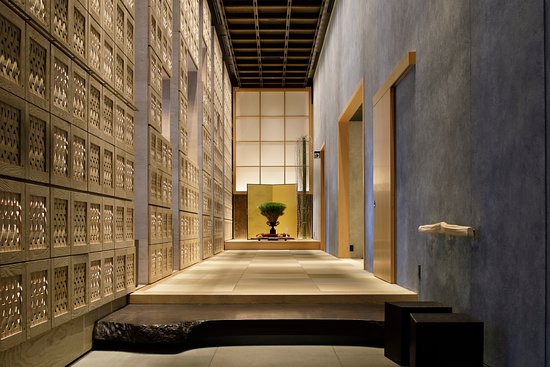
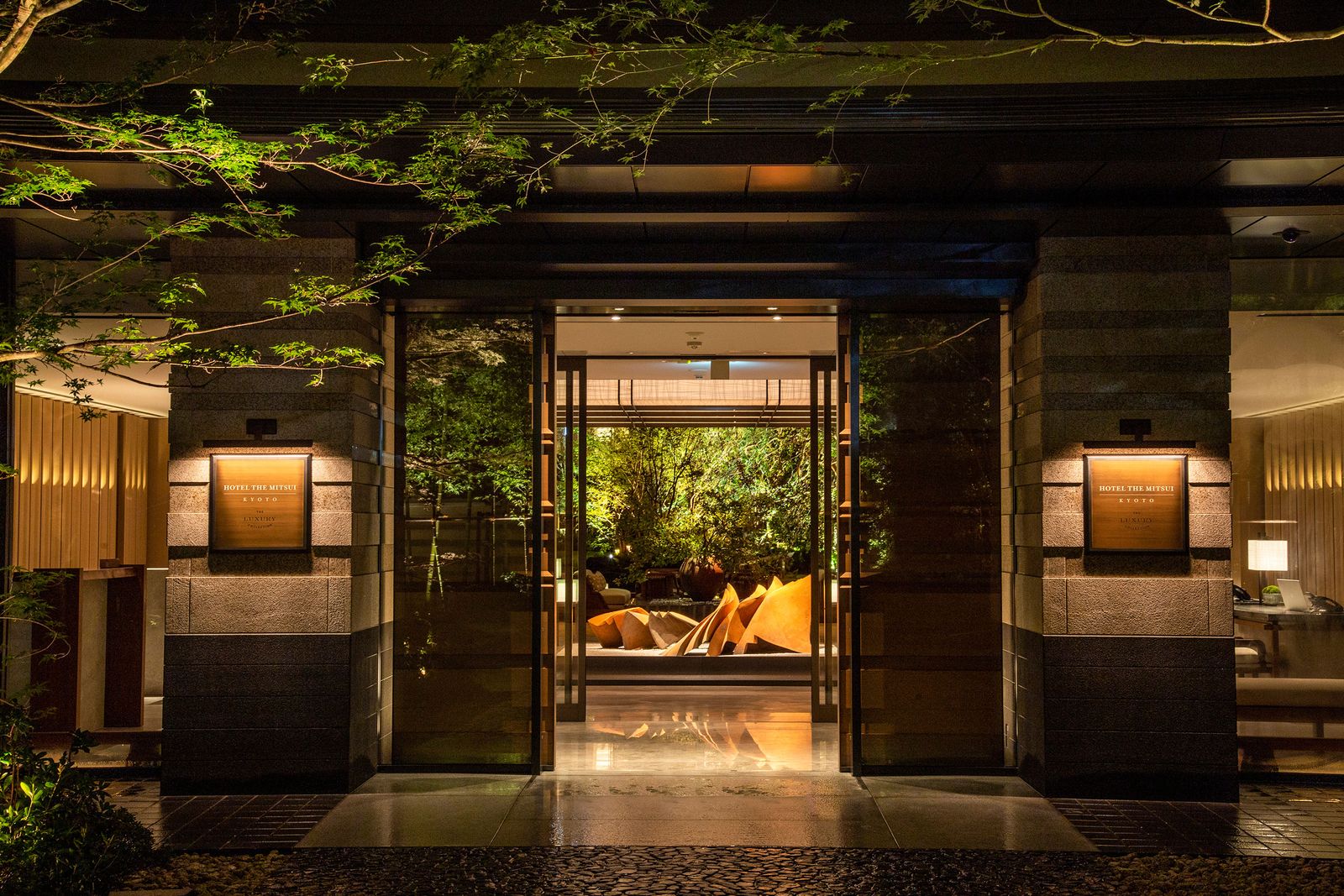
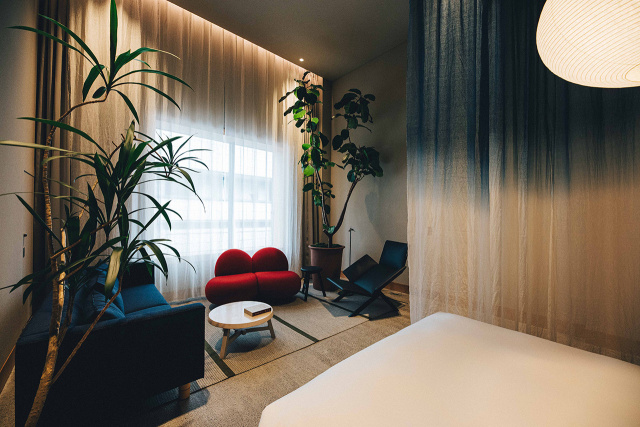
A Western-style hotel in Kyoto — the Aman, the Park Hyatt, the Hotel The Mitsui — offers the familiar comforts of international luxury: large beds, Western bathrooms, room service, a spa. A traditional ryokan — Hoshinoya Kyoto, Fufu Kyoto, THE HIRAMATSU — offers something more immersive and more demanding: futon beds on tatami floors, communal or private onsen baths, kaiseki dinners served in your room by a dedicated attendant.
Aman Kyoto: The Forest Hotel
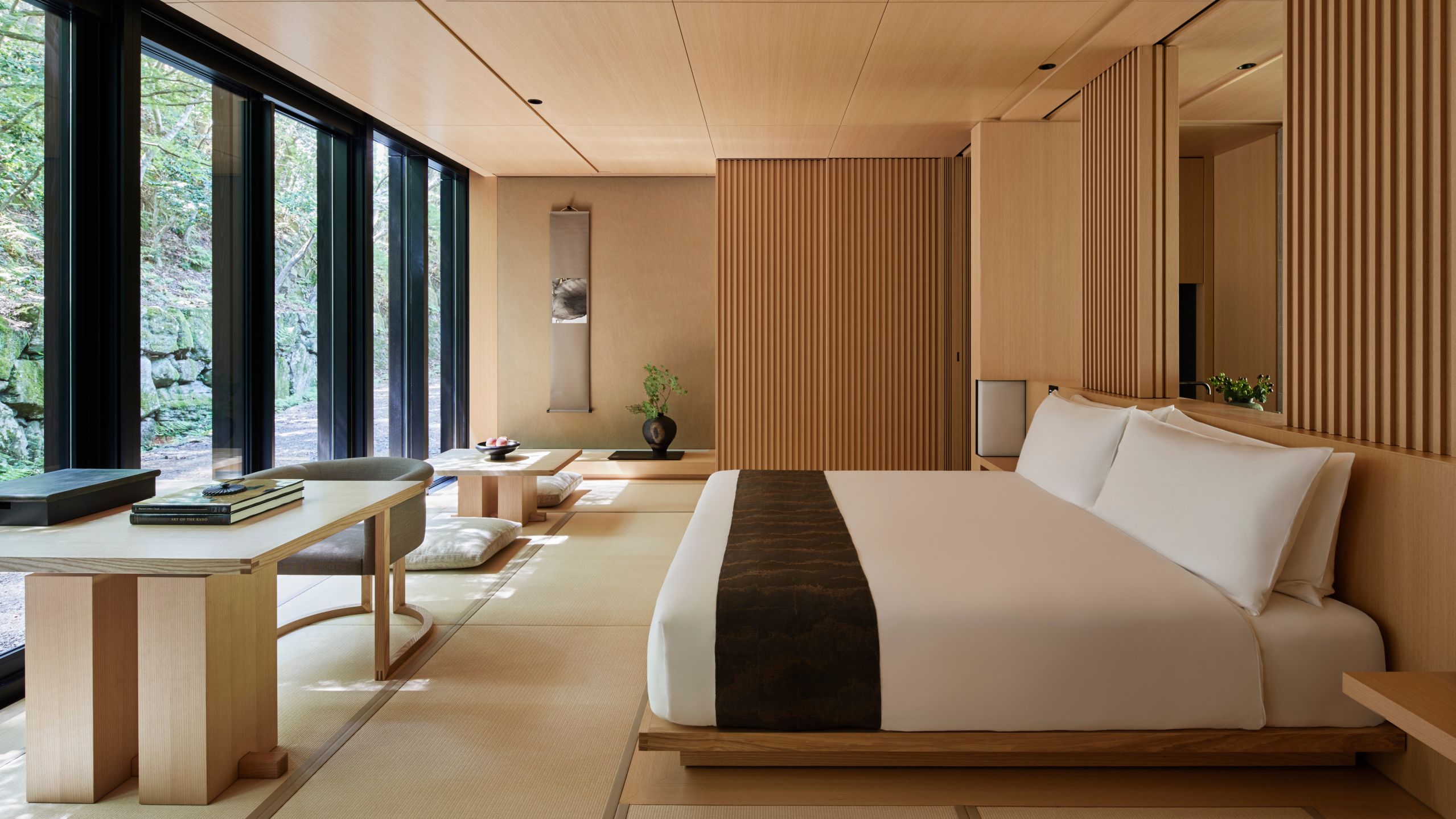
The Aman Kyoto, which opened in 2019 in the Okitayama forest above the Kinkaku-ji temple, is the most extraordinary hotel to open in Japan in the past decade. The property — designed by Kerry Hill Architects in collaboration with the Aman's creative team — consists of 26 pavilions set among ancient moss gardens, stone lanterns, and centuries-old cedar trees. The design is so carefully integrated into the landscape that the hotel feels less like a building and more like a natural extension of the forest.
The Aman Kyoto's spa, which draws on the Japanese tradition of forest bathing (shinrin-yoku), is the finest in the city. The restaurant serves contemporary Japanese cuisine using produce from the hotel's own kitchen garden and from the small farms of the Kyoto basin.
Hoshinoya Kyoto: The River Ryokan
Hoshinoya Kyoto occupies a position that no other hotel in Japan can match: accessible only by boat, it sits at the end of the Oi River gorge in Arashiyama, surrounded by mountains and bamboo groves. The 25-minute boat journey from the dock at Togetsu-kyo Bridge — past the bamboo forest, the monkey park, and the ancient temples of Arashiyama — is one of the great hotel arrivals in the world.
The hotel's 25 rooms are traditional ryokan rooms: tatami floors, futon beds, private outdoor baths overlooking the river. The kaiseki dinners, served in the room by a dedicated attendant, draw on the seasonal produce of the Kyoto basin and the culinary traditions of the city's imperial court.
The Editor's Verdict
Kyoto is best visited in spring (late March to mid-April, for the cherry blossoms) or autumn (mid-November to early December, for the maple leaves). Both seasons are extraordinarily beautiful, but both are also extraordinarily crowded. The traveller who visits in January or February — when the city is cold, quiet, and dusted with snow — will find a Kyoto that most visitors never see: a city of extraordinary stillness, where the temples and gardens are at their most meditative.
For a first visit, the Aman Kyoto provides the most complete experience. For those who want to go deeper into Japanese culture, Hoshinoya Kyoto is the most immersive hotel experience in Japan.
Our editors travel extensively to verify every recommendation. All hotel reviews are independent — we accept no payment for editorial coverage.